
 2026 Holiday Advertising Playbook for Advertisers - Make Every Holiday Moment Count!
The urgency of the climate crisis is increasing, and the media industry is no exception. While some professionals are working to reduce their direct operational emissions, there is an urgent need for common standards to be set for indirect emissions that come from digital advertising.
The digital advertising industry is becoming increasingly aware of the significant carbon footprint associated with the delivery of billions of digital ad impressions daily. Although a few brands, agencies, and ad tech companies have pledged to reach net zero carbon emissions by 2030 or sooner, the question remains: What is needed to encourage the majority of the industry to adopt similar goals?
Carbon Footprints Laid by Digital Ads
Although it is often thought of as more environmentally friendly, digital advertising still has a significant impact on the environment. In fact, it is responsible for about 2-4% of global carbon emissions, which is comparable to the aviation industry.
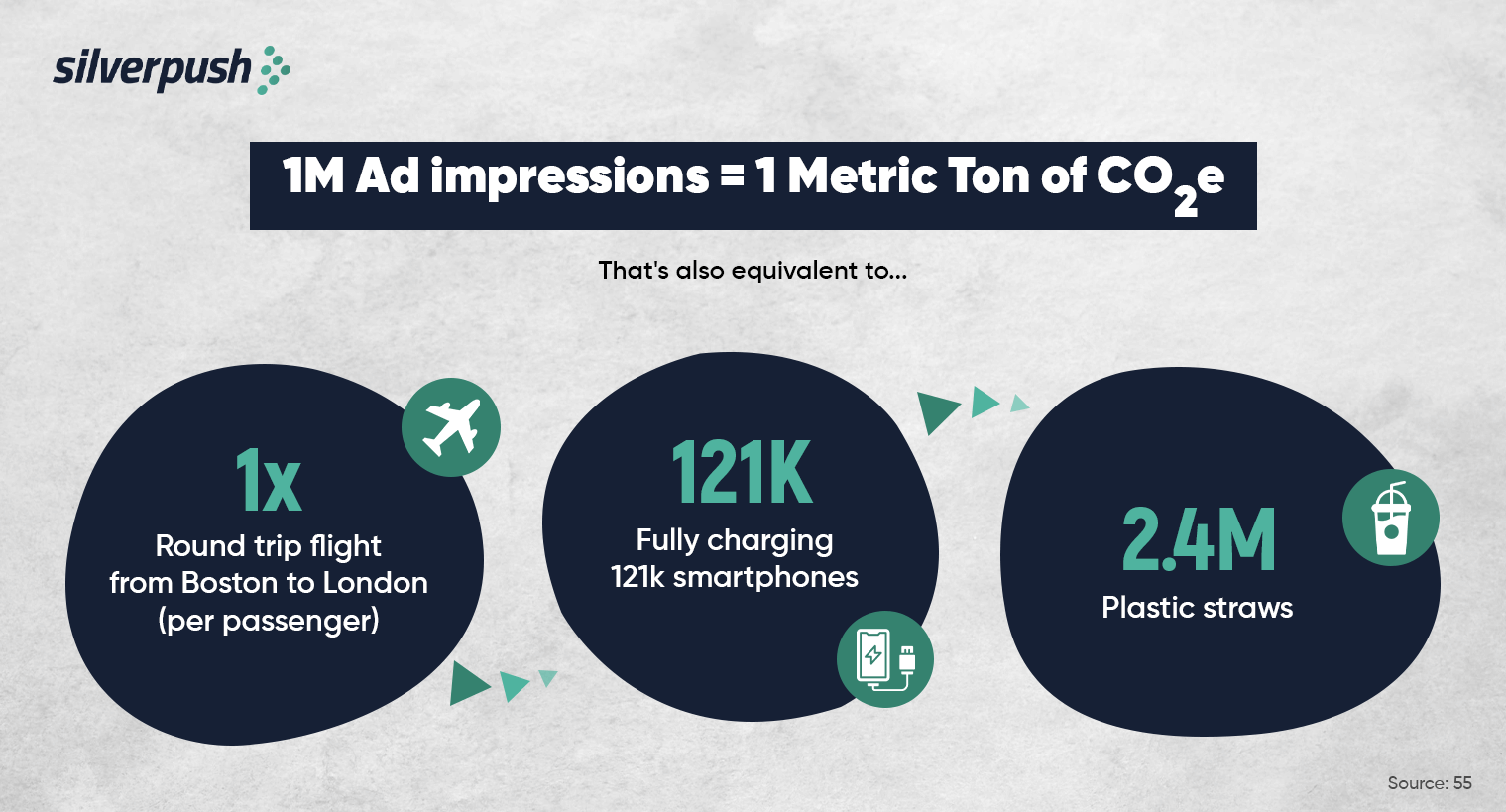
To give context, it is essential to note that serving one million ad impressions generates one metric ton of carbon dioxide emissions, which is equivalent to the emissions produced by (Source: venturebeat.com).
1. One passenger on a round-trip flight between Boston to London.
2. Charging over 121,000 smartphones to full battery power.
3. The carbon in 2.4 million plastic straws.
 The operation of servers for digital advertising and the internet results in adverse environmental effects such as heat, noise, and pollution throughout the entire programmatic supply chain. This accumulative impact raises concerns for advertisers.
Tracking Carbon Emissions through Digital Ads
The digital advertising industry has been making progress in reducing its carbon emissions, following the Paris Agreement in 2016 which was signed by 200 countries with the goal of achieving net zero carbon emissions. In 2020, the UK Advertising Association launched Ad Net Zero, recognizing the industry's need to become more sustainable. Many companies such as WPP, Havas, Dentsu, Disney, Unilever, and Dell have committed to reaching net zero emissions by 2030 or later.
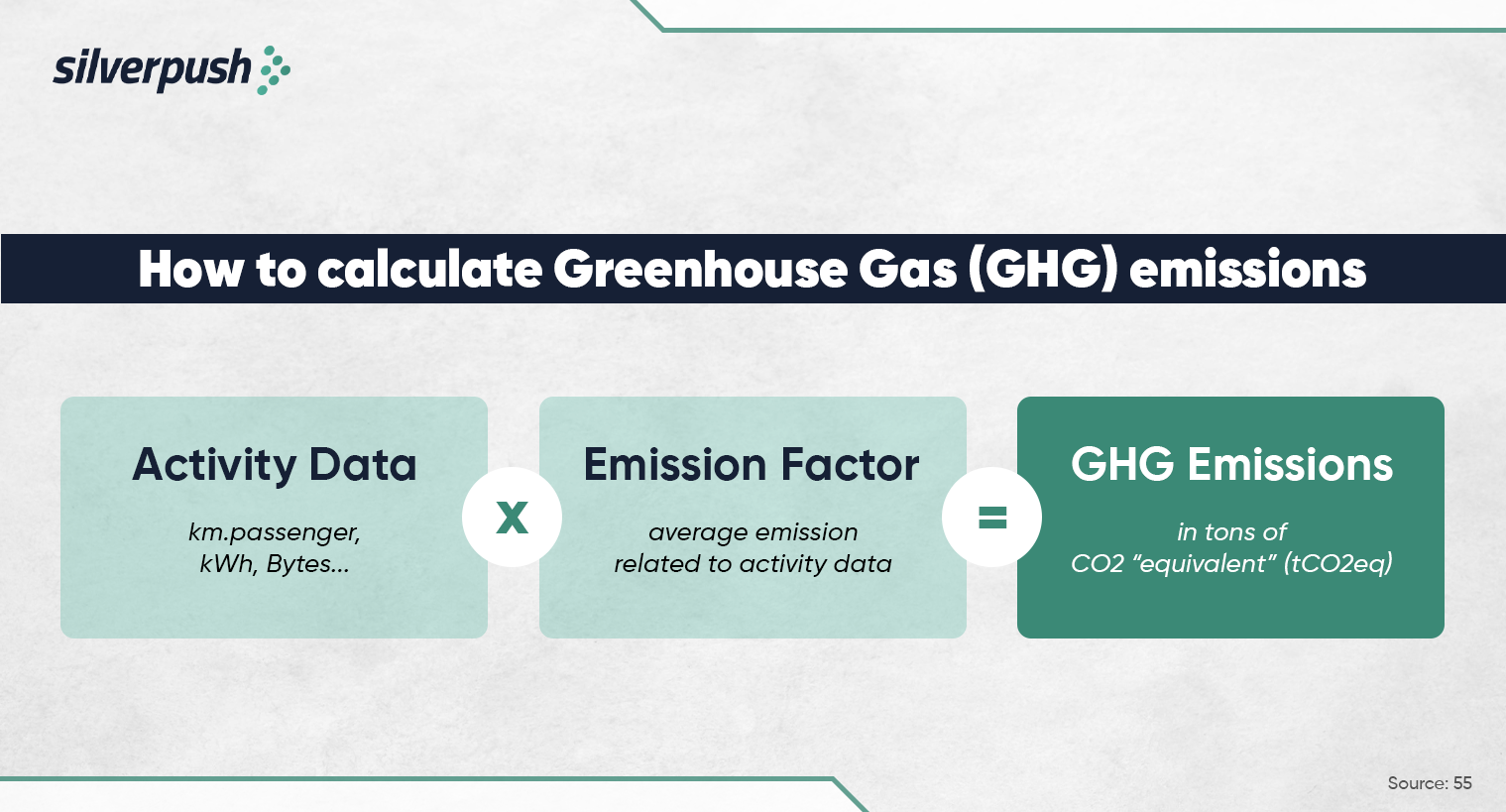
Achieving aggressive carbon-reducing goals in the ad tech industry requires setting standards for measuring and reporting carbon emissions. Measuring carbon emissions allows an organization to determine its current level of CO2 waste and identify the primary sources of emissions. Similar to how companies report their financial performance, reporting on carbon emissions allows advertisers and brands to be transparent and accountable in their efforts to reach net zero carbon emissions.
Setting Industry Standards to Calculate Carbon Emissions
Measuring carbon emissions can be complex, but understanding the different components that contribute to a company's carbon footprint can simplify the process. These components are typically broken down into three categories: Scope 1, Scope 2, and Scope 3 emissions.
Scope 1 emissions are direct emissions from sources that the company owns or controls, such as fuel combustion in boilers or vehicles. Scope 2 emissions are indirect emissions from the generation of purchased electricity, heat, or steam. Scope 3 emissions are other indirect emissions that occur in the value chain of the company, such as the emissions from the extraction of raw materials or the disposal of waste. which typically make up more than 90% of a company’s total carbon emissions.
For advertisers to accurately measure their carbon emissions, it is important to understand the contributions of their DSPs, SSPs, DMPs, publisher partners, and other vendors to their Scope 3 emissions. By assessing the impact of these vendors, advertisers can gain a more comprehensive understanding of their overall carbon footprint.
How do Silverpush's Cookieless Solutions Neutralize Carbon Emissions?
One of the many reasons for high carbon emissions in digital advertising is audience targeting. Standard targeting methods may deliver high impressions, however, they generate wasted impressions due to the random placement of ads and the targeting of the wrong audience.
Silverpush offers precise and detailed targeting options that identify the most qualified audiences, which needlessly reduces pointless impressions and drastically reduces carbon impressions. By delivering relevant ads through contextual targeting, advertising campaigns become more efficient and fewer ads are displayed to users. This results in a reduction in energy consumption of servers and devices used to deliver ads, ultimately reducing CO2eqPM emissions.
Conclusion
Advertisers can reduce their environmental impact by implementing sustainable practices such as using renewable energy, measuring and reporting their carbon emissions, and offsetting their emissions through carbon credits or other means. They can also consider using more efficient technologies, such as programmatic advertising, that target specific audiences and reduce the number of ads delivered, ultimately reducing energy consumption.
Whether or not the ad tech industry will become carbon neutral by 2025 is uncertain and it would depend on the level of commitment from the industry players and the government to take the necessary steps to reduce carbon emissions. It would also require a concerted effort from all stakeholders, including advertisers, agencies, and technology providers, to adopt sustainable practices and invest in new technologies to lower their carbon footprint.
What do you think? Will Ad Industry become carbon neutral by 2025? Let us know your thoughts!